
For anyone who is planning to embark on a cultural exchange program in Portugal, the country’s architecture and history are undoubtedly captivating. However, the food scene is also something that you should not miss out on when there. Portuguese cuisine is a masterclass in “sophisticated simplicity” where a celebration of fresh ingredients, centuries-old traditions, and a deep connection to the Atlantic Ocean come together.
Whether you are training in the bustling heart of Lisbon or the historic streets of Porto, understanding the local plate is the fastest way to understand the local people. Here is a guide to the essential flavors you must experience during your time in Portugal.
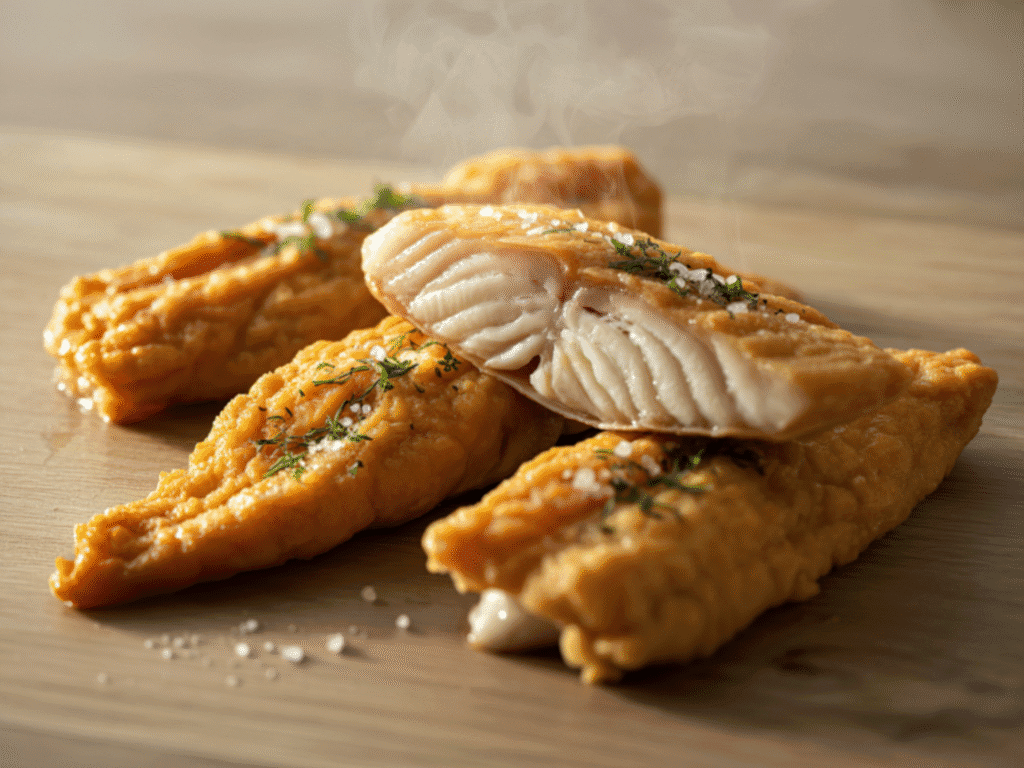
Bacalhau (Salted Cod)
It is often said that there are over 365 ways to cook Bacalhau, one for every day of the year. In the past, salted cod allowed Portuguese explorers to travel the globe without their food spoiling. And today, it has become their national dish.
They say you haven’t truly experienced Portugal until you’ve tried Bacalhau à Brás. This comforting dish consists of shredded cod, thinly sliced fried potatoes, and scrambled eggs, garnished with black olives and fresh parsley. It is salty, creamy, and crunchy all at once.
Pastel de Nata
Pastel de Nata is perhaps the most famous export of Portuguese gastronomy. You cannot leave Portugal without trying this pastry. This custard tart, with its flaky crust and creamy center, originated in the 18th century by monks at the Jerónimos Monastery in Belém.
What you would want to look out for a perfect tart is the contrast: the pastry must be crisp enough to “shatter” when you bite it, while the custard should be rich but not overly sweet! In any local pastelaria, you will be asked if you want it sprinkled with canela (cinammon) and açúcar em pó (powdered sugar).
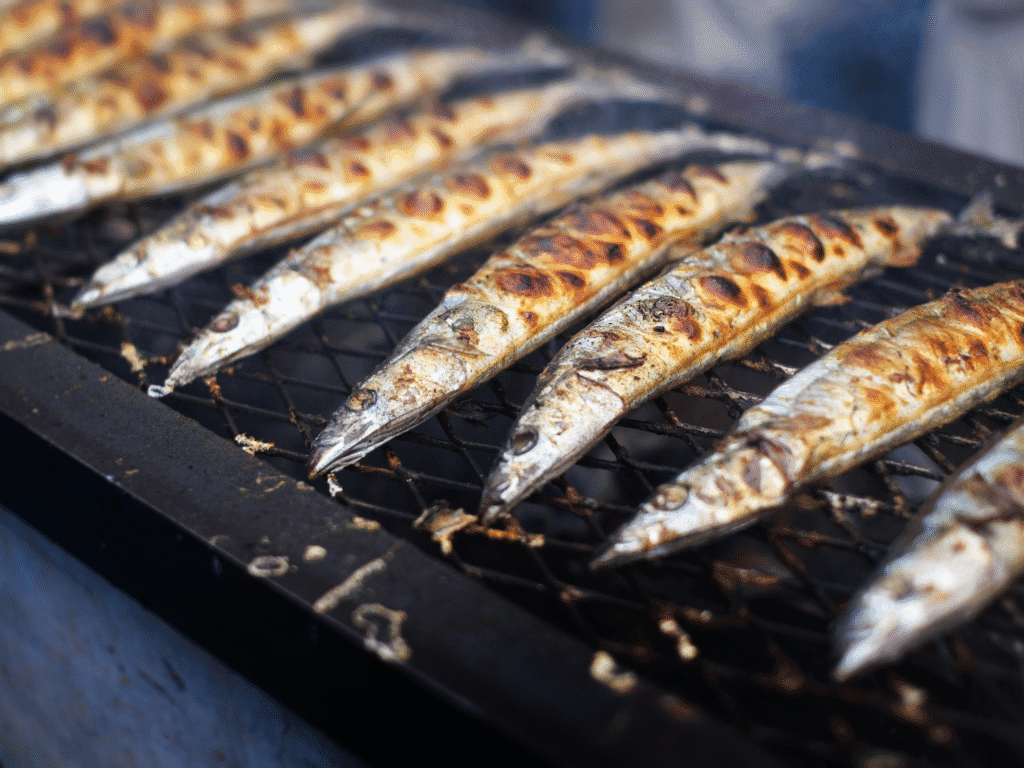
Grilled Sardines
During the summer months, the streets of Portugal, especially in Lisbon during the feast of St. Anthony, are filled with the smoky aroma of Sardinhas Assadas. These sardines are not the tiny fish kind that you will find in tins; these are the plump, fresh ones that are grilled over charcoal.
Traditionally, it is served on a thick slice of sourdough bread (pão de milho), where the oil from the fish drips and gets soaked into the bread, which is often eaten last as the prize of the meal. It is a humble dish that represents the Portuguese love for the sea.
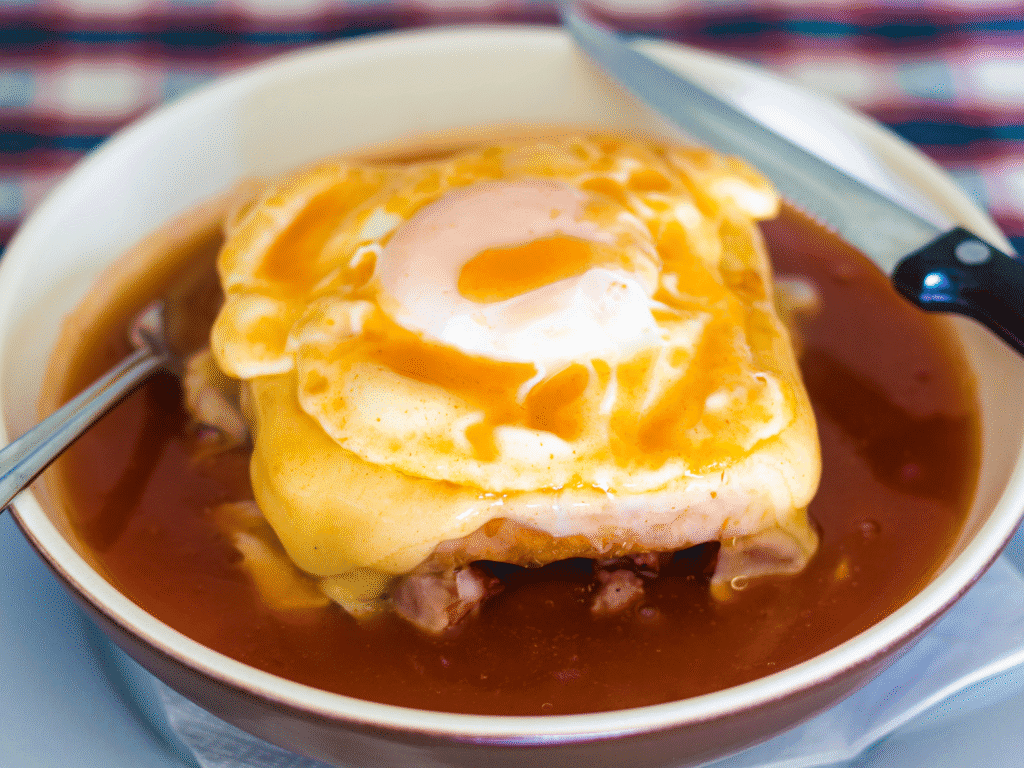
Francesinha
If you ever find yourself in Porto, you must come hungry for Francesinha. Translated as “Little Frenchie,” it was inspired by the French Croque Monsieur but adapted for the hearty appetites of northern Portugal.
It is a massive sandwich layered with toasted bread, wet-cured ham, linguiça (smoked sausage), steak, and melted cheese, all swimming in a thick, spiced tomato and beer sauce. Usually, it is topped with a fried egg and served with a side of fries; it is a culinary delight that everyone must try at least once.
Sopa de Peixe and Caldo Verde
Soup is a primary part of the Portuguese diet. Caldo Verde (Green Broth) is one of the famous ones. Hailing from the Minho region, it is made with potatoes, onions, and thinly sliced kale, flavored with a slice of spicy chouriço sausage. When you have it, it is light yet satisfying, it is also often served as a starter.
On the coast, the Sopa de Peixe (Fish Soup) is a masterclass in utilizing the daily catch. Rich, orange in color, and deeply aromatic, it captures the essence of the Atlantic in a single bowl.
Piri-Piri Chicken
Piri-Piri chicken is from the Algarve region. Known as Frango Assado, the chicken is prepared in a butterfly, marinated for a bit in chili, garlic, and olive oil, and then grilled until the skin is charred and crispy.
For someone in hospitality, Portuguese food culture offers a profound lesson in authenticity. Portugal has successfully resisted fast-food of its cities. Restaurants are still mostly ran by families, where they focus on the quality of the food and wine.
Training in Portugal allows you to witness a service style that is warm and unpretentious. You get to become a part of a community that sees food as something sacred, and a connector between people. As you go on your training journey, keep in mind that it would be great to eat as the locals do. Take your time to relish, sit down, and let the flavors of Portugal tell you the story of the country.
Curious about the culinary scene of Portugal? Explore our hospitality internship opportunities in Portugal.
![[Featured] RMC Asia - Ready to Explore the World While Boosting Your Hospitality Career](https://rmcasia.org/wp-content/uploads/Featured-RMC-Asia-Ready-to-Explore-the-World-While-Boosting-Your-Hospitality-Career-1-768x256.webp)